Sense of Source

The governance in ESG: knowing where things come from.

Environmental and social goals tell you what matters. Governance tells you whether to believe the claims. For us it starts with one idea: everything has a source, and you should be able to show it.

What governance means

Without governance, "sustainable" is just a word on a brochure.

The E and S in ESG match the environmental and social pillars of sustainability. The G is the one most companies skip, and it is how greenwashing happens. Governance answers four questions:

Who is responsible for sustainability decisions?

Where did this product come from, and can you show it?

Who checked the claim, and were they independent?

What happens when something goes wrong?

A sense of source

What governance looks like in the event industry.

In 2009 Robert told an Orlando magazine there should be "a sense of source in every product." In practice, that is governance: knowing where things come from and how they were made, and being able to prove it.

Traceability

Know the farm, maker or supplier behind what goes into a ballroom, and keep the records.

Verification

Use third-party certifications where they exist, such as Rainforest Alliance, Fair Trade, USDA Organic and Florverde, and add your own visits. At Manatee Fresh every partner farm was inspected by a third party each year and visited in person.

Honest claims

Say only what you can prove, and keep a file of the evidence behind every claim. Read the greenwashing guide.

Accountability

Someone owns each commitment, reports progress openly and fixes problems in the open.

Field reports from the source

Notes from the farms, greenhouses and supply chains.

Governance starts with knowing where things come from. These field reports, written by Robert and the Florida Fresh team, go to the source: the farms, the cold chain and the questions worth asking. They open on floridafreshevents.com.
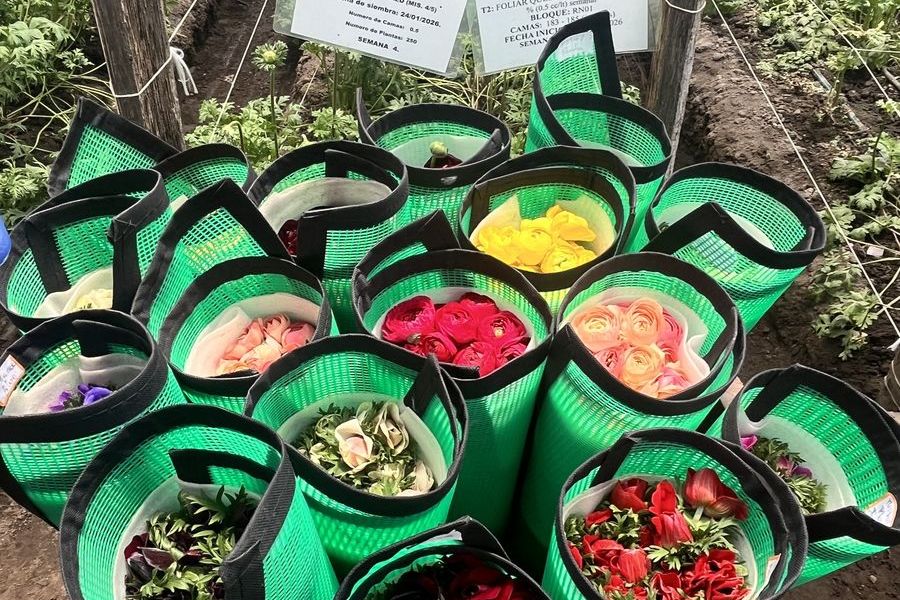
Rose beds and labeled crop trials at an eco-certified rose farm in EcuadorField report

Inside the World's Most Eco-Certified Rose Farm

A visual walk through an Ecuador rose farm: why the equator and volcanic soil grow premium roses, and how certified practices support women in rural farming communities.

Robert McLaughlin · September 2026
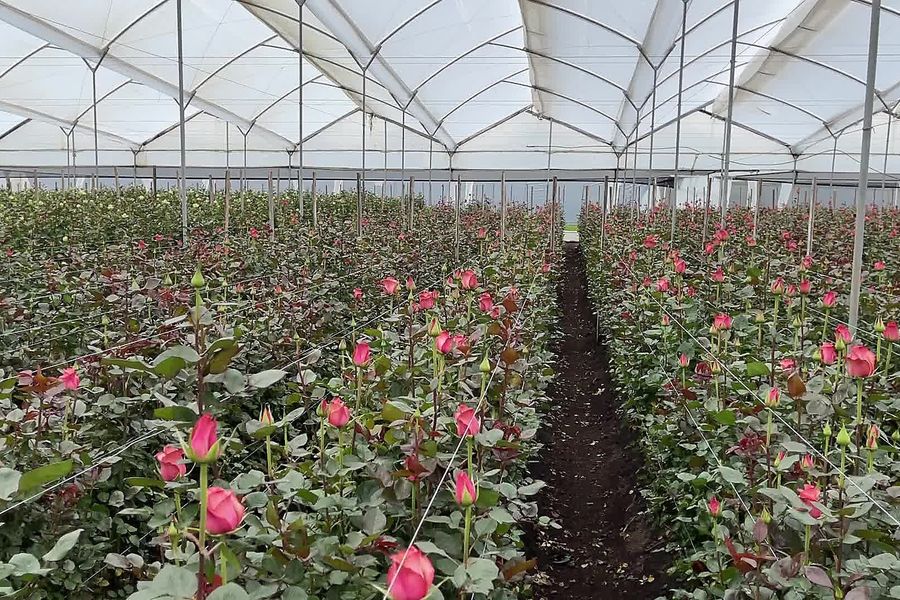
Rows of roses growing under a greenhouse canopyField report

Where Your Flowers Actually Come From

About four in five cut flowers sold in the U.S. are imported, mostly from Colombia and Ecuador. How the cold chain works, and how much of a "locally grown" claim you can actually back up.

Kristine McLaughlin · August 2026
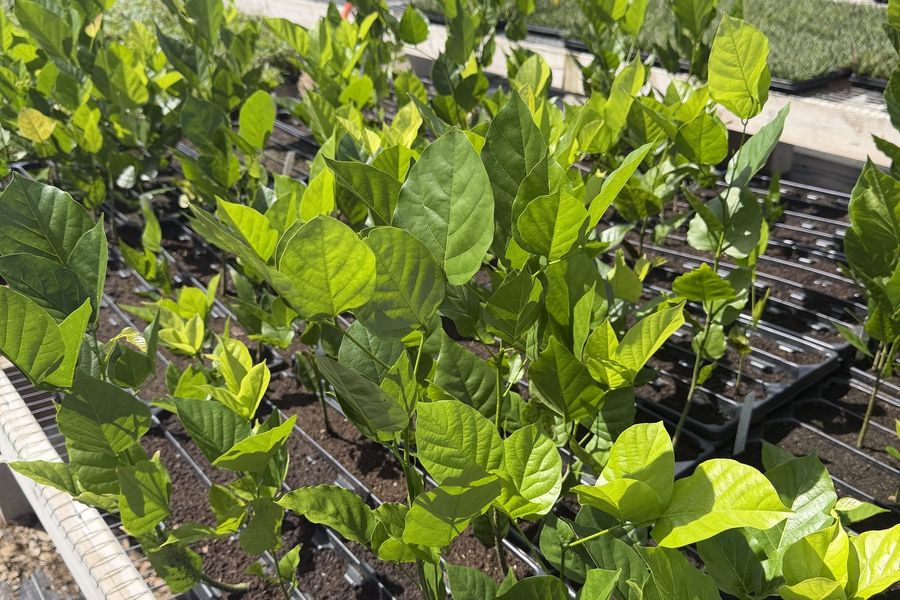
Pongamia seedlings growing in traysField report

Why We're Growing Toward Pongamia

More than 900 pongamia seedlings headed for a first five-acre site, targeted for late 2027, on old Florida citrus land: soil, carbon, and renewable oil.

Robert McLaughlin · September 2026
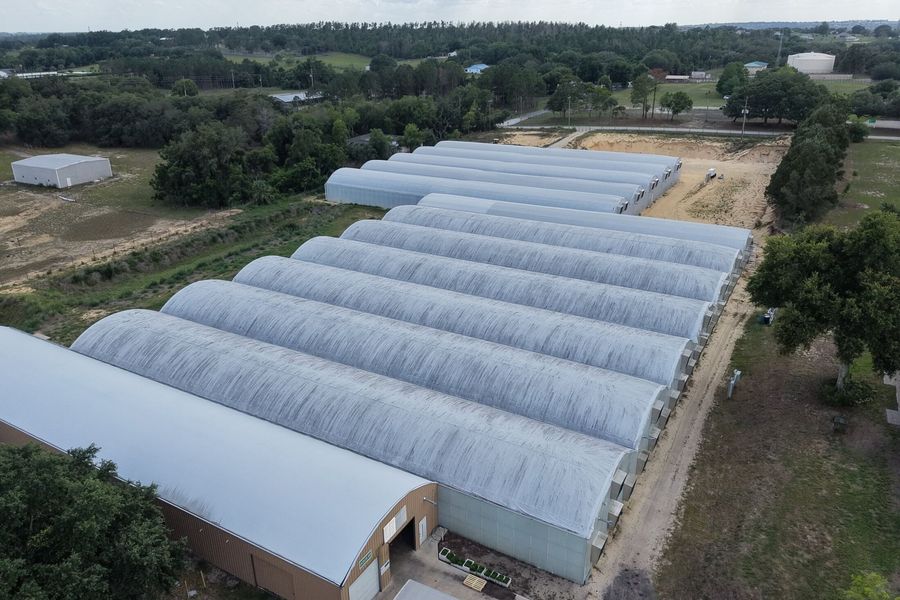
Aerial view of greenhouses in Central FloridaField report

Sustainable Event Décor: What to Ask Your Vendors

Five questions that separate a serious operation from a marketing claim, plus plain-language definitions of terms like carbon neutral, Scope 3 and compostable.

Robert McLaughlin · August 2026

All Field Notes

The foundation

Sense of Source: governance you can see.

Sense of Source began as a phrase, became a book and is now an independent documentary and media platform. It traces everyday goods, such as coffee, flowers, food and water, back to where they begin, documenting the people, environmental impacts, challenges and solutions along the way. Going to the source and showing what is really there is governance in its most visible form.

The foundation supports reforestation at Jama-Coaque and works alongside Waorani communities in the Ecuadorian Amazon. Beginning in 2027 it plans a series of expeditions, to the Amazon, Mindo, the Galápagos and Jama-Coaque, to bring those stories back to the people who plan and build events.

Founder Robert McLaughlin spent nearly four decades working with flower growers in the Andes and on rose farms in Ecuador and Colombia.

The Ecuadorian Amazon. Photo: Sense of Source.

Flagship

Amazon Source Expedition 2027

A 1,650-mile round-trip river expedition planned for 30 to 60 days in the field, with 12 to 24 months of planned content, working with Waorani leadership and community consent. Details are as published by Sense of Source.

Source: senseofsource.com.

Visit Sense of Source   Field investigation

How it connects

Independent by design.

Explore Fresh believes in choices that matter. Our environmental initiatives reflect that commitment, including our relationship with the independently governed Sense of Source Foundation. The foundation makes its own decisions and does not certify, audit or endorse Explore Fresh or its affiliated companies.